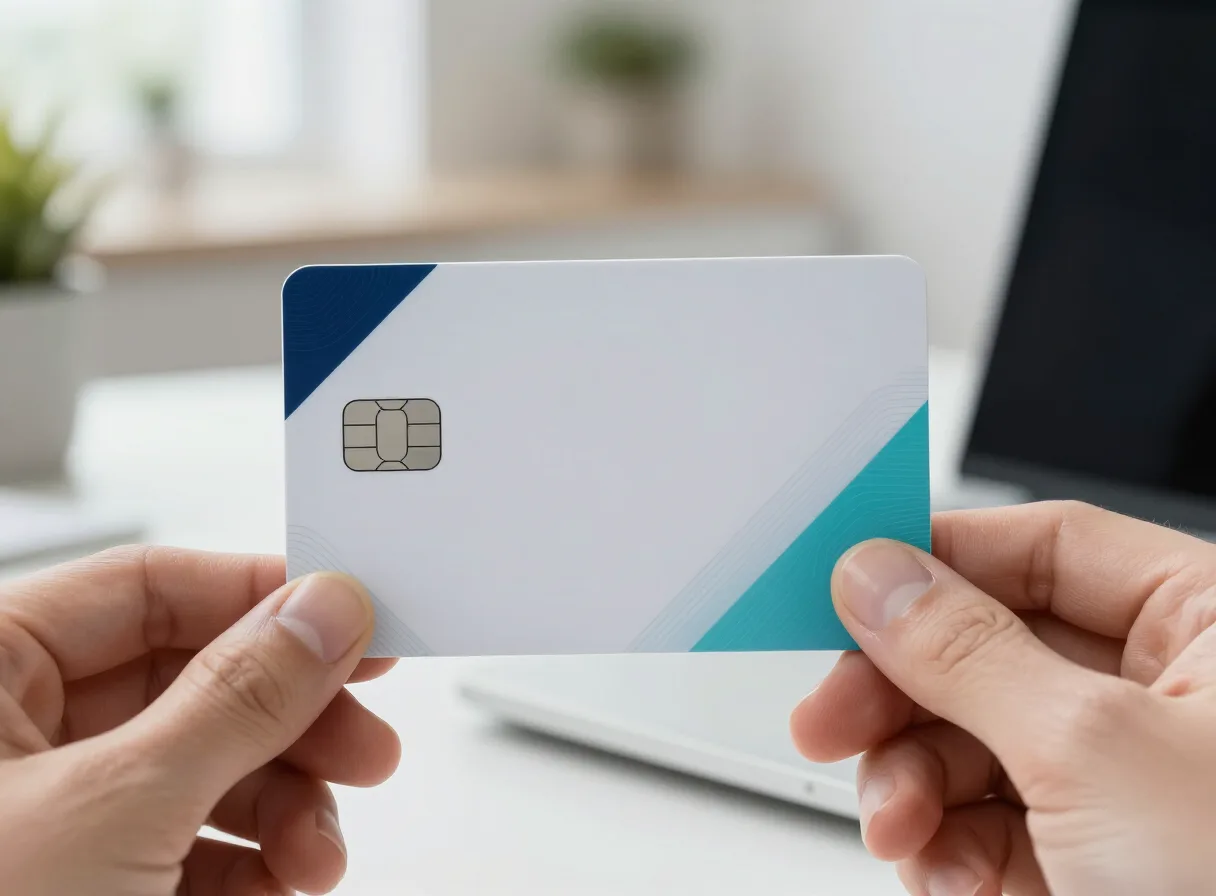
Debit, credit, prepaid — the names get mixed up all the time. Here is a clear, no-jargon breakdown of what each card actually does with your money.
A "bank card" is any payment card issued by a bank and linked to your accounts. The two you will meet most often are the debit card and the credit card. They look almost identical, but they move money in completely different ways.
Debit cards spend your own money
A debit card is tied directly to your checking or current account. When you pay, the money leaves your balance within seconds. You can only spend what you actually have, which makes debit cards a natural budgeting tool and the simplest place for beginners to start.
Credit cards borrow money
A credit card lets you borrow up to a set limit from the card issuer. You repay later — ideally in full each month. If you clear the balance before the due date you usually pay no interest. Carry a balance and interest is charged, sometimes at a high annual rate.
Prepaid cards: neither of the above
A prepaid card holds a fixed amount you load in advance. It is not linked to a bank account or a credit line, which makes it useful for gifting, travel, or teaching teenagers to spend within limits.
Which should you use?
Use debit for everyday spending you want to keep tight control over. Use credit for larger purchases, online shopping (stronger fraud protection), and building a credit history — but only if you can pay it off in full. The best habit is to treat a credit card like a debit card: never spend money you do not already have.